
Foods to Avoid During Pregnancy: A Complete Nutrition Guide for Expecting Moms
Pregnancy changes everything—including the way you eat. Some foods that were completely normal before pregnancy may not be the safest choice now. This complete nutrition guide helps expecting moms understand what foods to avoid during pregnancy and how to make smarter, safer choices for both mother and baby.
Mamma's Maternity
18 May 2026
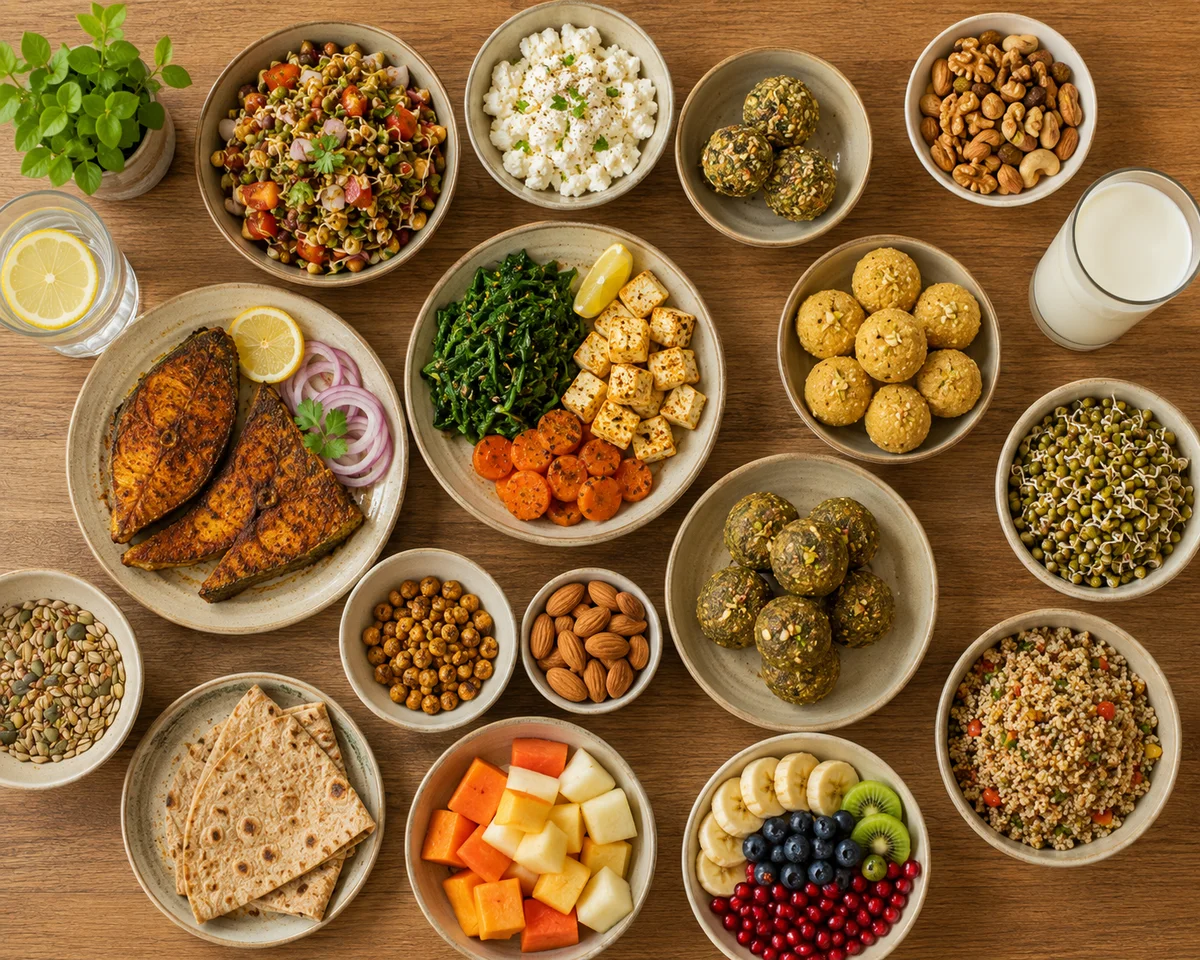
The moment you find out you’re pregnant, food becomes more than just fuel.
Every meal, every snack, every craving suddenly feels connected to something bigger—your growing baby.
You begin hearing advice from everywhere.
"Drink more milk." "Eat more fruits." "Avoid papaya." "Don’t drink coffee."
Family members, friends, neighbors, and the internet all seem to have an opinion.
But here’s the truth: pregnancy nutrition is not about eating for two—it’s about eating smart for two.
Some foods that are perfectly safe in everyday life may carry risks during pregnancy because your immune system changes, your digestion slows down, and your baby’s developing body becomes sensitive to certain bacteria, chemicals, and nutrients.
This guide will help you understand exactly what foods to avoid during pregnancy—and why.
Why Food Safety Matters More During Pregnancy
During pregnancy, your body naturally becomes more protective and selective.
Hormonal changes can affect:
Digestion Immunity Metabolism Blood sugar levels Hydration Nutrient absorption
This means even minor food contamination that might not affect others could have a bigger impact during pregnancy.
Choosing safe foods can help support:
✔ Healthy fetal development ✔ Better maternal immunity ✔ Lower infection risk ✔ Stable energy levels ✔ Healthy weight gain ✔ Better postpartum recovery
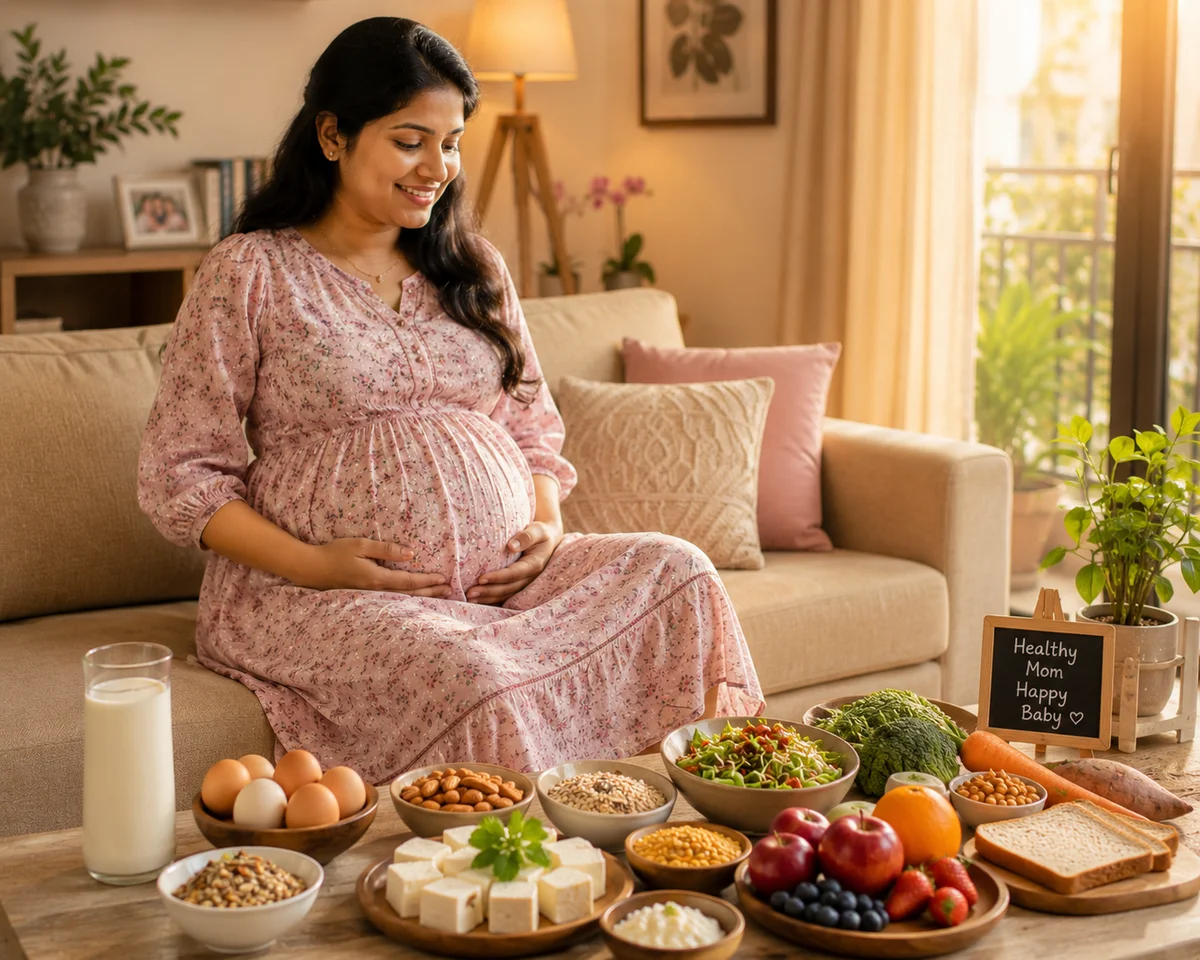
1. Raw or Undercooked Eggs
Eggs are an excellent source of protein, choline, and essential vitamins—but only when fully cooked.
Raw or partially cooked eggs may carry harmful bacteria that can cause food poisoning.
Common foods to be careful with: Homemade mayonnaise Raw cake batter Certain desserts Soft scrambled eggs Half-boiled eggs Safer choice:
Fully cooked eggs—boiled, scrambled, or omelets cooked completely.
Nutrition tip:
Eggs are one of the best pregnancy foods—just make sure they are properly cooked.
2. Raw or Undercooked Meat
Protein becomes even more important during pregnancy, but meat must be prepared carefully.
Raw or undercooked meat may contain harmful bacteria or parasites.
Avoid: Rare steaks Half-cooked chicken Undercooked kebabs Raw minced meat Street-style meats that are not freshly cooked Safer choice:
Well-cooked lean meat prepared hygienically at home.
Practical tip:
If you’re eating outside, choose freshly prepared meals over buffet items.
3. Fish High in Mercury
Fish contains omega-3 fatty acids, which support baby’s brain development—but some fish may contain higher mercury levels.
Mercury can affect your baby’s developing nervous system.
Limit or avoid: Shark Swordfish King mackerel Large tuna portions Better alternatives:
Lower-mercury fish in moderate portions.
Nutrition tip:
Always consult your doctor if fish is a regular part of your pregnancy diet.
4. Unpasteurized Milk and Dairy Products
In many Indian households, milk is part of everyday nutrition.
But unpasteurized dairy may contain bacteria that can be risky during pregnancy.
Avoid: Raw milk Unboiled milk Certain soft cheeses Homemade dairy stored improperly Safer choice:
Boiled milk, pasteurized milk, fresh yogurt, homemade paneer.
Indian mom tip:
Always reheat refrigerated milk products before consuming.
5. Too Much Caffeine
You don’t necessarily need to completely stop caffeine—but moderation matters.
Excess caffeine may not be ideal during pregnancy.
Common caffeine sources: Coffee Tea Energy drinks Chocolate drinks Cola beverages Better alternatives: Coconut water Lemon water Fresh fruit juices Milk-based drinks Herbal drinks approved by your doctor Practical tip:
If morning tea is part of your routine, reducing gradually often feels easier.
6. Street Food and Unhygienic Prepared Foods
Pregnancy cravings can make roadside pani puri, chaat, sandwiches, and fried snacks incredibly tempting.
But hygiene becomes more important than ever.
Be careful with: Open chutneys Cut fruits left uncovered Uncovered juices Reheated fried foods Ice made from uncertain water sources Safer choice:
Homemade versions of your favorite snacks.
Real truth:
Cravings matter—but so does food safety.
7. Raw Sprouts
Sprouts are healthy—but raw sprouts may sometimes carry bacteria because of the warm, moist conditions they grow in.
Avoid: Raw moong sprouts Mixed uncooked sprouts Sprout salads from outside Safer choice:
Lightly steamed or cooked sprouts.
Nutrition bonus:
Cooked sprouts still provide excellent protein and fiber.
8. Highly Processed Junk Foods
Pregnancy cravings often lean toward salty, crunchy, and sugary foods.
That’s completely normal.
But too much processed food can leave you feeling tired, bloated, and nutritionally unsatisfied.
Limit: Packaged chips Instant noodles Sugary biscuits Soft drinks Deep-fried snacks Better swaps: Nuts Fruits Yogurt Homemade poha Roasted makhana What About Traditional Pregnancy Food Myths?
In Indian families, you may hear:
"Don’t eat pineapple." "Avoid papaya." "Don’t eat curd at night." "Saffron guarantees a fair baby."
Some traditions come from experience, some from culture, and some from myths.
The best approach?
Respect traditions—but verify with your doctor.
Every pregnancy is unique.
A Simple Daily Nutrition Checklist for Expecting Moms
Before the day ends, ask yourself:
✔ Did I drink enough water? ✔ Did I eat enough protein? ✔ Did I eat fresh fruits? ✔ Did I include vegetables? ✔ Did I avoid unnecessary junk food? ✔ Did I listen to my body?
Pregnancy nutrition doesn’t have to be perfect.
It simply needs to be mindful.
A Final Note
Pregnancy is not about giving up every food you love.
It’s about making small, smart choices that protect both you and your baby.
Eat fresh. Eat balanced. Eat safely.
And while your baby grows, don’t forget—you deserve comfort too.
At Mamma's Maternity, we design comfortable maternity and nursing wear for every stage of motherhood—from pregnancy to breastfeeding and beyond.
Because when moms feel cared for, everything feels better.
Tags
Love what you read? 🌸
Explore our maternity collection — designed for every stage of your journey